
𝐀𝐜𝐫𝐨𝐬𝐬 𝐌𝐮𝐟𝐮𝐥𝐢𝐫𝐚, 𝐂𝐡𝐢𝐧𝐠𝐨𝐥𝐚, 𝐊𝐚𝐬𝐞𝐦𝐩𝐚, 𝐚𝐧𝐝 𝐊𝐚𝐥𝐮𝐦𝐛𝐢𝐥𝐚, 𝐅𝐮𝐭𝐮𝐫𝐞-𝐏𝐫𝐞𝐧𝐞𝐮𝐫𝐬 𝐙𝐚𝐦𝐛𝐢𝐚'𝐬 𝐍𝐚𝐭𝐮𝐫𝐚𝐥 𝐑𝐞𝐬𝐨𝐮𝐫𝐜𝐞 𝐆𝐨𝐯𝐞𝐫𝐧𝐚𝐧𝐜𝐞 𝐂𝐨𝐦𝐦𝐢𝐭𝐭𝐞𝐞𝐬 𝐚𝐫𝐞 𝐭𝐮𝐫𝐧𝐢𝐧𝐠 𝐜𝐨𝐦𝐦𝐮𝐧𝐢𝐭𝐲-𝐥𝐞𝐝 𝐞𝐜𝐨𝐧𝐨𝐦𝐢𝐜 𝐞𝐦𝐩𝐨𝐰𝐞𝐫𝐦𝐞𝐧𝐭 𝐢𝐧𝐭𝐨 𝐯𝐢𝐬𝐢𝐛𝐥𝐞 𝐫𝐞𝐚𝐥𝐢𝐭𝐲.
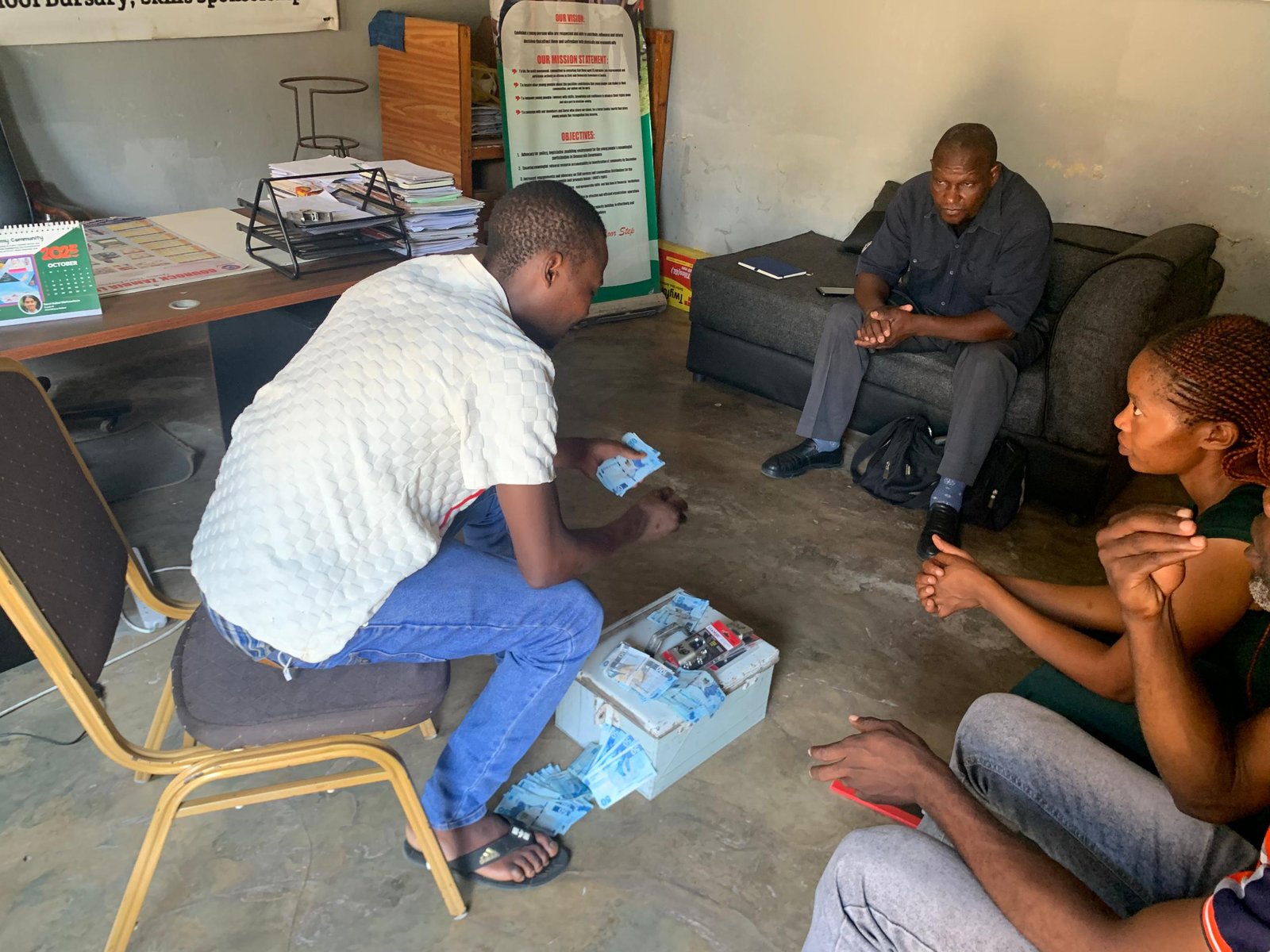
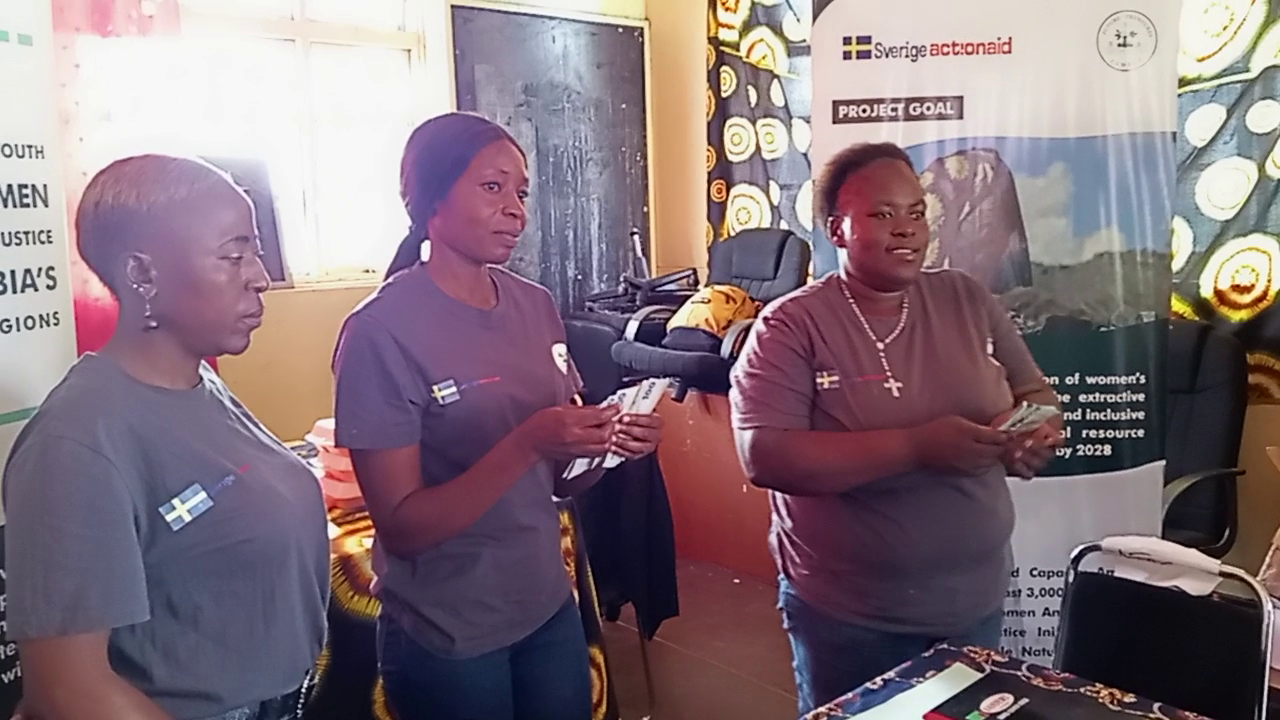
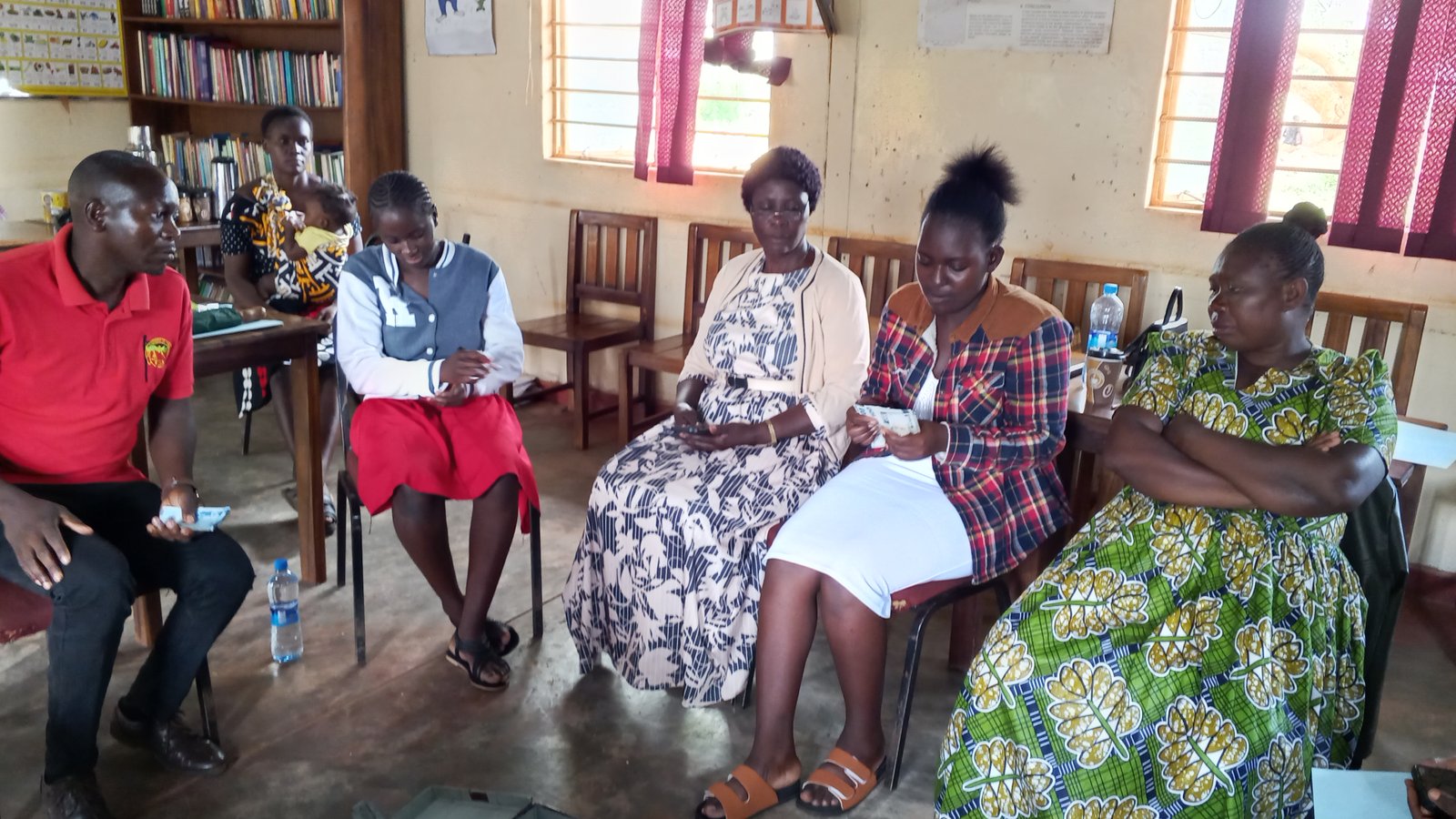
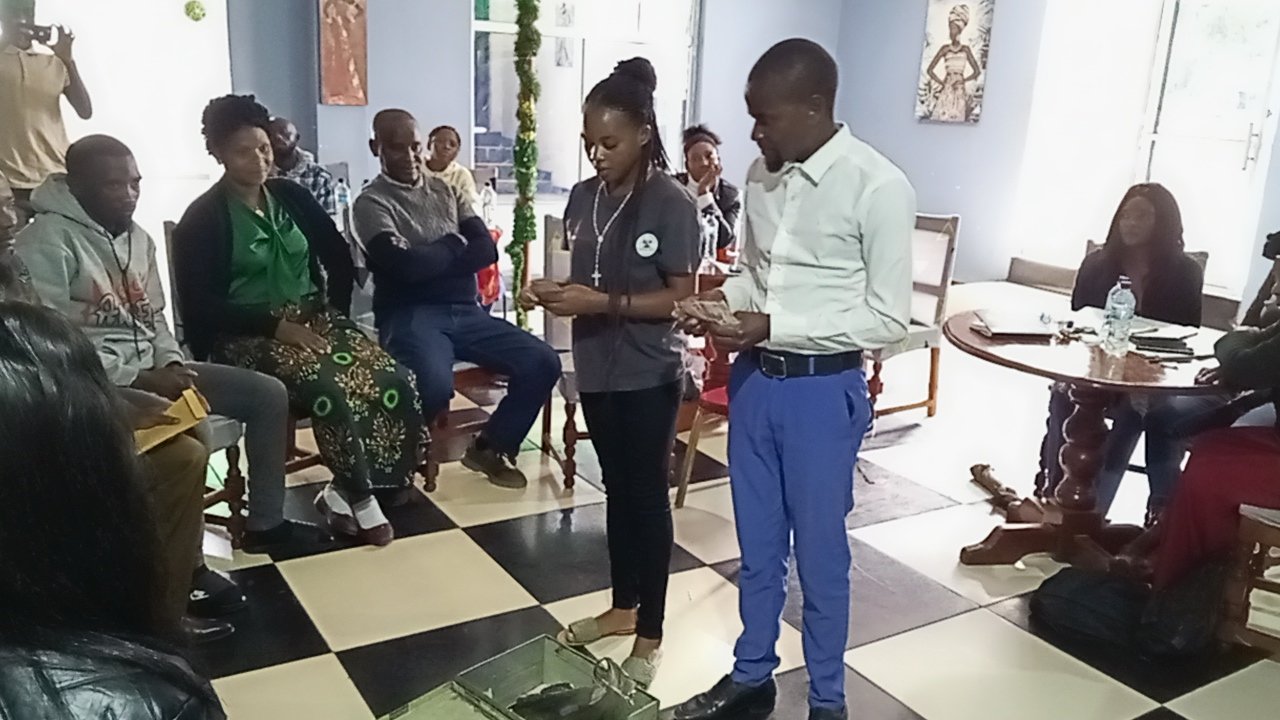
Four active NRGCs are now driving livelihood initiatives that directly benefit more than 80 households, the established savings groups have cultivated a culture of regular saving, internal lending, and small-scale investment. Members are using these funds to launch and grow ventures in trading, poultry, and horticulture, moving away from environmentally harmful livelihood options toward sustainable, income-generating alternatives. The results speak for themselves: greater financial discipline, consistent loan repayment, and reinvestment into growing businesses. Women and youth in particular are emerging as leaders in this shift, gaining economic independence and confidence as they transition from subsistence living to structured, sustainable enterprise. As Adrian Nsama, a Mufulira NRGC member, shares: "Through the community savings group, I started a small tree planting and selling that now feeds my family and generates extra income. I feel empowered to plan for our future." Meanwhile, in Kalumbila, NRGC members have pioneered collective farming and orchard projects that showcase the strength of community-driven economic action. Beyond livelihoods, this work is strengthening social cohesion and civic voice — empowering communities affected by extractive industries to advocate for fair treatment in relocation and compensation processes, and to recover and thrive in ways that are both environmentally and socially responsible.
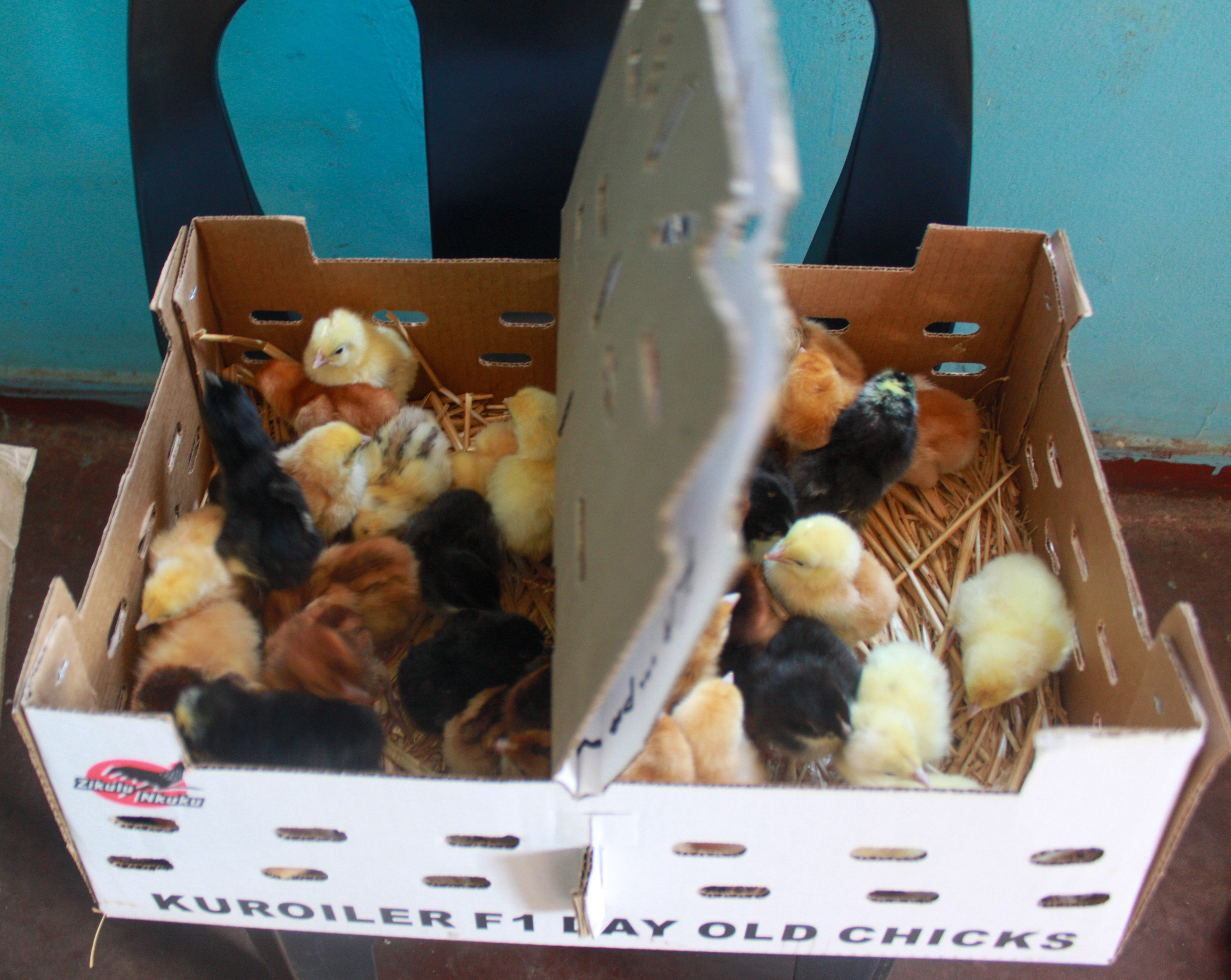
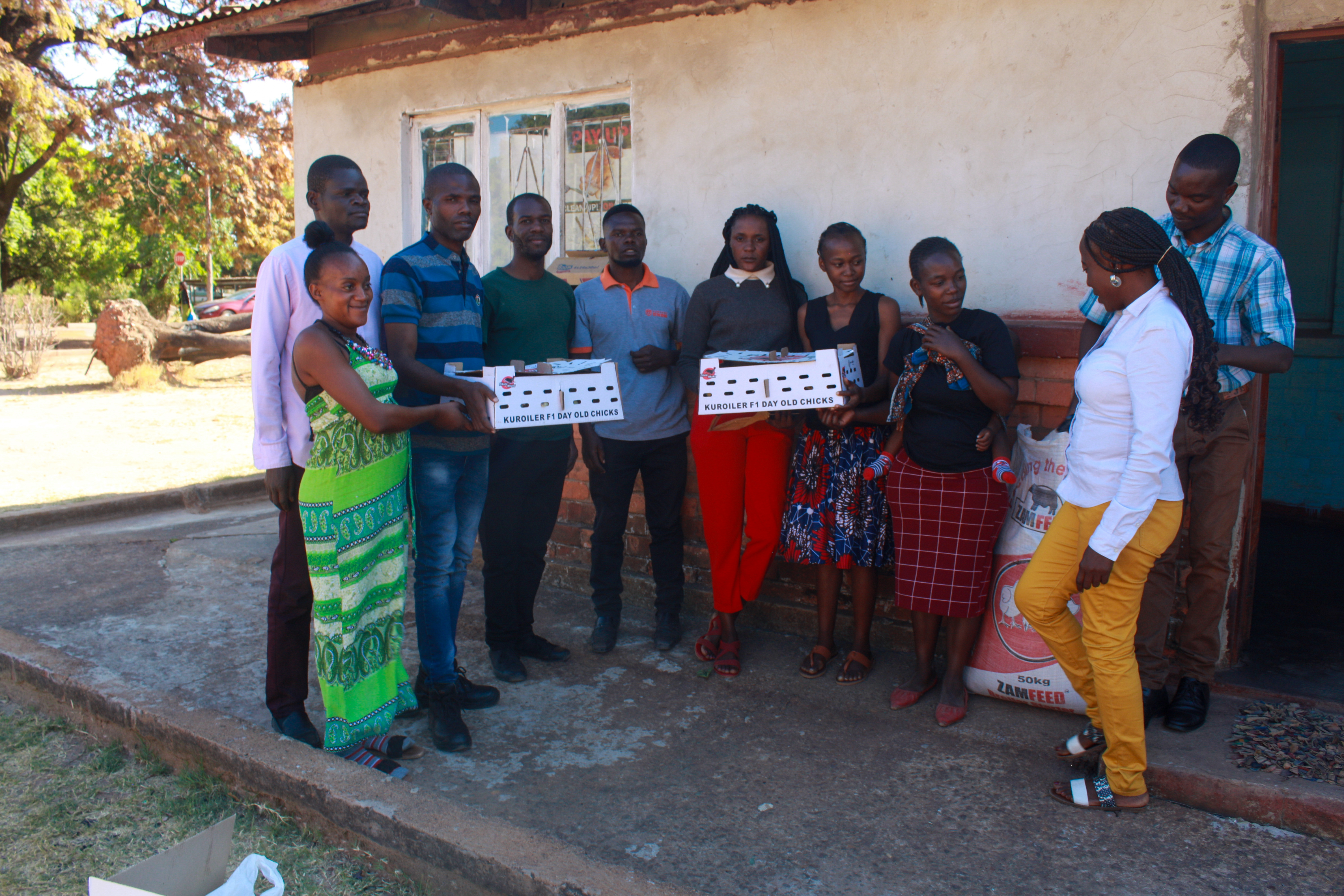
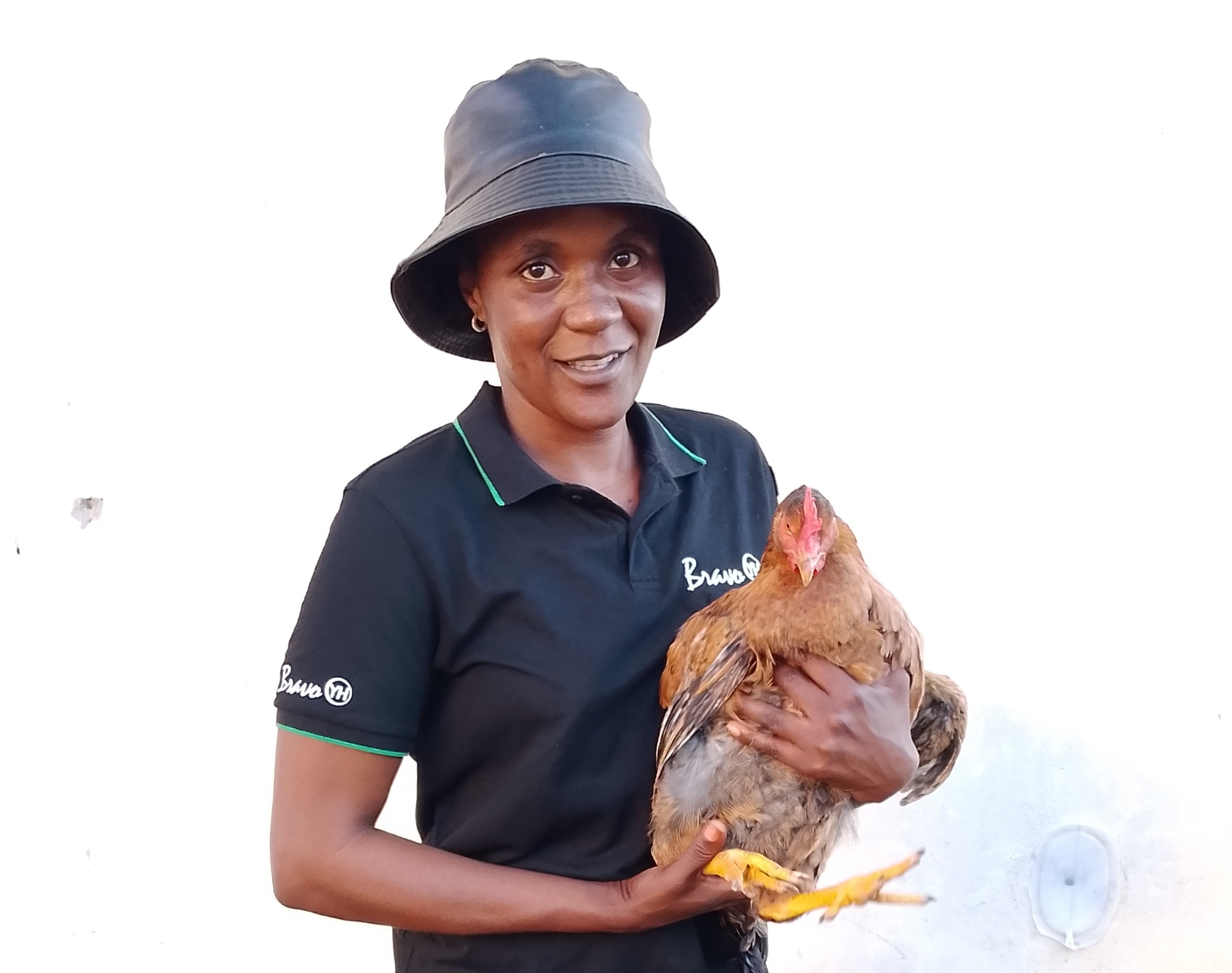
On 4th September 2025, Future-Preneurs Zambia (FPSZ) launched the Village Chicken Empowerment Initiative under the theme “Hope of Youth at Door Step,” aimed at improving livelihoods among youths and women through sustainable poultry production. The initiative was designed to promote income generation, enhance household food security, and empower beneficiaries with practical, low-cost agricultural skills.
Through this project, 20 youths were supported with startup poultry packages consisting of 10 village chicks each, starter feed, and vaccination support. The project adopted a “pass-on” model where beneficiaries, after six months, return one mature chicken to support new participants.
The project recorded strong success, with all beneficiaries actively engaged in poultry farming, improving income opportunities, food security, and skills development while strengthening community cooperation.
The initiative has had economic, social, and household-level impact, improving self-reliance, boosting confidence among youths, and enhancing nutrition for families.
FPSZ appreciates Heinz and family for their support and Zikulu Nkuku for supplying quality chicks.
Despite challenges such as limited resources and disease risks, the initiative remains a sustainable and scalable model for youth empowerment.